


CCE Blog
News, perspectives, and more from the Washington State Construction Center of Excellence.
A Final Letter of Gratitude from the Director
As the Washington State Construction Center of Excellence (CCE) prepares to close its doors on June 30, I find myself doing what I imagine most of you do at the end of a long project: walking the site one more time, taking stock, noticing the intricacies of what was built, looking for any last items to refine. Twenty-five years ago, this Center was founded on a belief that Washington’s construction industry could be smarter, safer, more equitable, and more connected to the education and training system that feeds it.

WSCCE Spotlight Interview: Lowell Glodowski, BAC Local 1 WA/AK
Like masonry, skills last. “The knowledge and skills you gain are something no one can ever take away from you,” says Lowell Glodowski, President of the Bricklayers and Allied Craftworkers Local 1. Read on for insight on why psychological safety matters, Lowell’s path into the industry and what the job of President entails.

The WSCCE Spotlight Interview: Amber Glennon, NW LECET
From her history as a second-generation Laborer to inspiring her daughter, NW LECET Marketing Rep Amber Glennon shares her story, along with more on women in construction, the role Unions like LIUNA play, and the idea that everyone deserves a second chance.

Strong Foundations: Addressing Substance Abuse on Washington Construction Sites
Construction workers face a perfect storm of physical demands, chronic pain, job insecurity, and a culture that prizes toughness over vulnerability - and the data shows it. In Washington State, roughly 15% of construction workers struggle with substance abuse, and opioid misuse among injured workers runs more than double the rate of their non-injured peers. Strong Foundations examines why substance abuse is so deeply embedded in the industry, the safety and human costs it carries, and what's changing. From Washington's Construction Industry Substance Abuse Program (WCISAP) to AGC Washington's Mental Health & Suicide Prevention initiative, the industry is beginning to shift from silence to support. The post makes the case that building a culture where workers feel safe asking for help isn't just the right thing to do, it's a safety imperative.
The Inclusive Jobsite: Women's Health Accommodations in Construction
Women make up a growing share of the construction workforce — and their health needs deserve attention on the jobsite. In this practical guide, WSCCE consultant and policy analyst Mathilde Roux breaks down what construction employers need to know about supporting workers' health, staying compliant with state and federal law, and making simple, low-cost changes that can improve retention and safety for everyone.
Rooted and Rising: The 2026 Enlighten Women's Forum Brings Tradeswomen Together
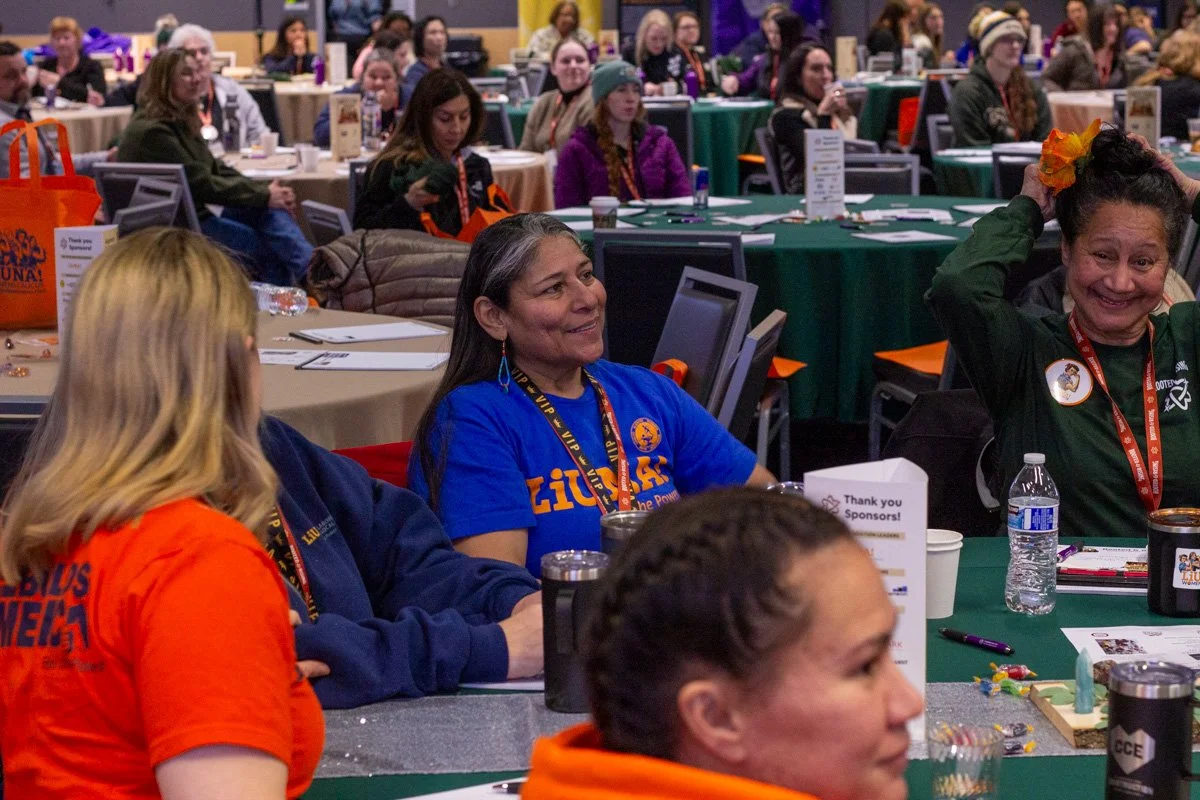
Over 200 people filled the conference center at Clover Park Technical College on March 11 for the Enlighten Women's Forum, and thanks to our presenting sponsor LiUNA! Northwest Region and Washington Northern Idaho District Council of Laborers, the energy was electric from the moment doors opened at 7 AM.
From Blueprint to Balance: Building an Industry that Works for Women Experiencing Menopause
According to the Bureau of Labor Statistics, women make up 11.2% of workers in the construction industry (which includes office and administrative occupations), and 4.3% of workers in construction and extraction occupations. This means that many workers have gone, are going through, or will go through the menopause transition while employed in construction. In addition to managing symptoms, those going through menopause may face stigma and lack of understanding from those around them. This is especially challenging in male-dominated industries where they may have few or no colleagues who understand what they are experiencing. Because the menopause transition is associated with aging, some workers may be hesitant to share their experience for fear of being treated like they can no longer do their job well. In reality, they are still highly skilled and capable but may just need small adjustments to continue to reach their full potential. Some workers have also faced harassment and unwelcome remarks, including jokes, related to their symptoms.

Women in construction week spotlight: Kalin Magruder
The Construction Center of Excellence recently sat down with Kalin Magruder, Vice President and Senior Project Manager at Sellen Construction, to find out about her pathway into construction, what a day in the industry looks like, and what she sees as essential for success in an ever-changing industry.
In this interview, Kalin explains why “show me your thought process” matters more than having the right answer, why the industry should sell students on both the opportunity (including the money) and the mobility available in construction, and why she’s optimistic about increased inclusivity and the continuing need for construction professionals.

Empowered Teams, Safer Sites: Turning Behaviors into Performance
In construction, safety isn’t just about ticking boxes on an inspection checklist; it’s about creating an environment where every decision, action, and conversation reflects a commitment to protecting our fellow workers. Regulations set the minimum standard, but true safety excellence goes far beyond compliance. The real differentiator is culture.
Building Equity, Building Careers: LIUNA's Commitment to Women in the Trades
We're thrilled to announce that the Laborers' International Union of North America (LIUNA) Northwest Region (need to include the Washington Northern Idaho District Council of Laborers) has made a transformative $20,000 sponsorship commitment to the 2026 Enlighten Women's Forum. This major investment reflects LIUNA's deep dedication to advancing women in construction and their vision for a more inclusive, diverse industry.
Puget Sound Construction Teams Join Forces to Tackle Alarming Heart Health Trends
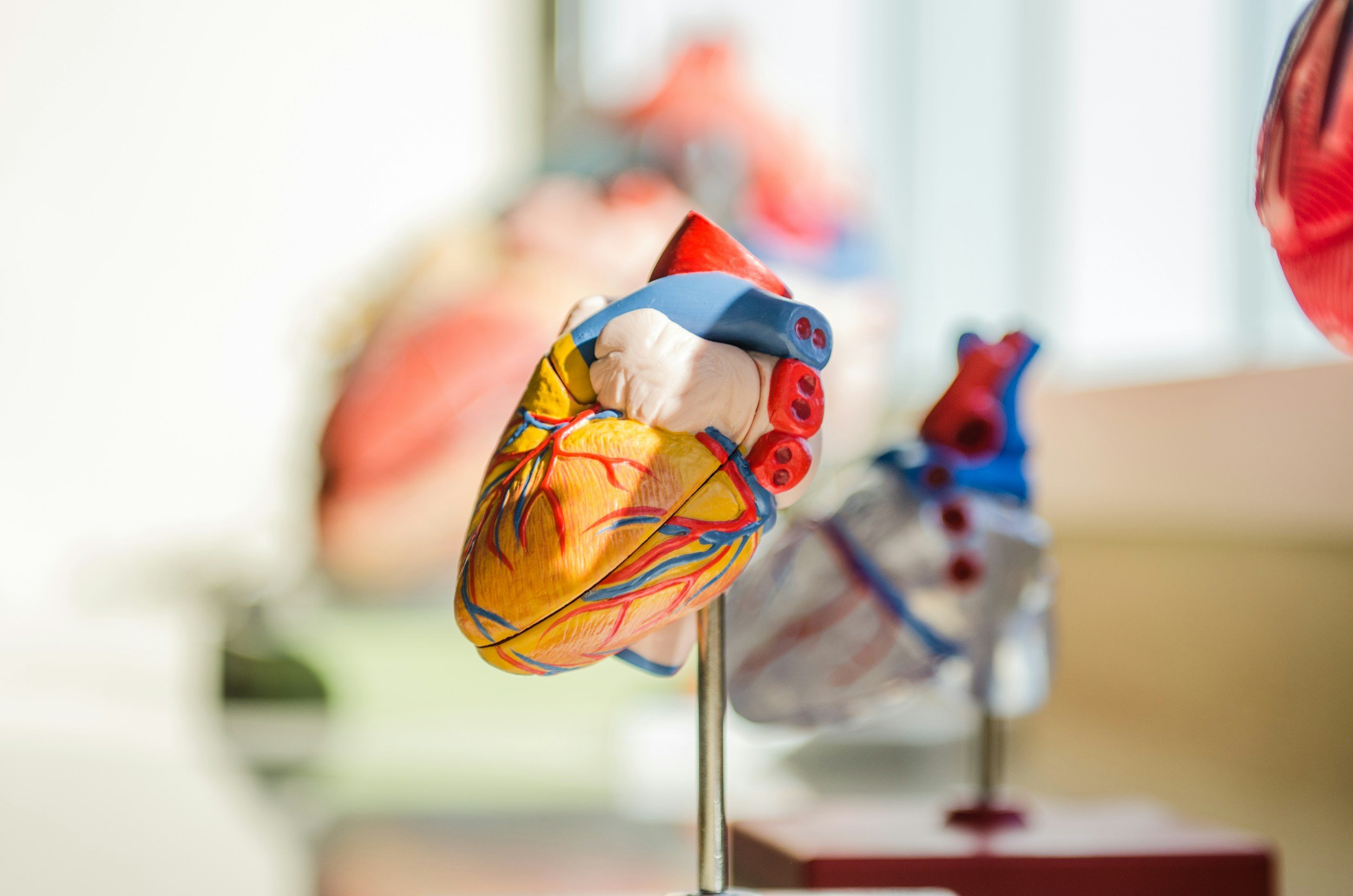
Puget Sound’s construction industry is confronting a growing health challenge: one in four construction workers have high blood pressure, one in 25 lives with heart disease, and nearly half aren’t getting enough exercise. Now, an ambitious regional partnership is aiming to change that.
No One Left Behind: Protecting Lone Workers on the Jobsite
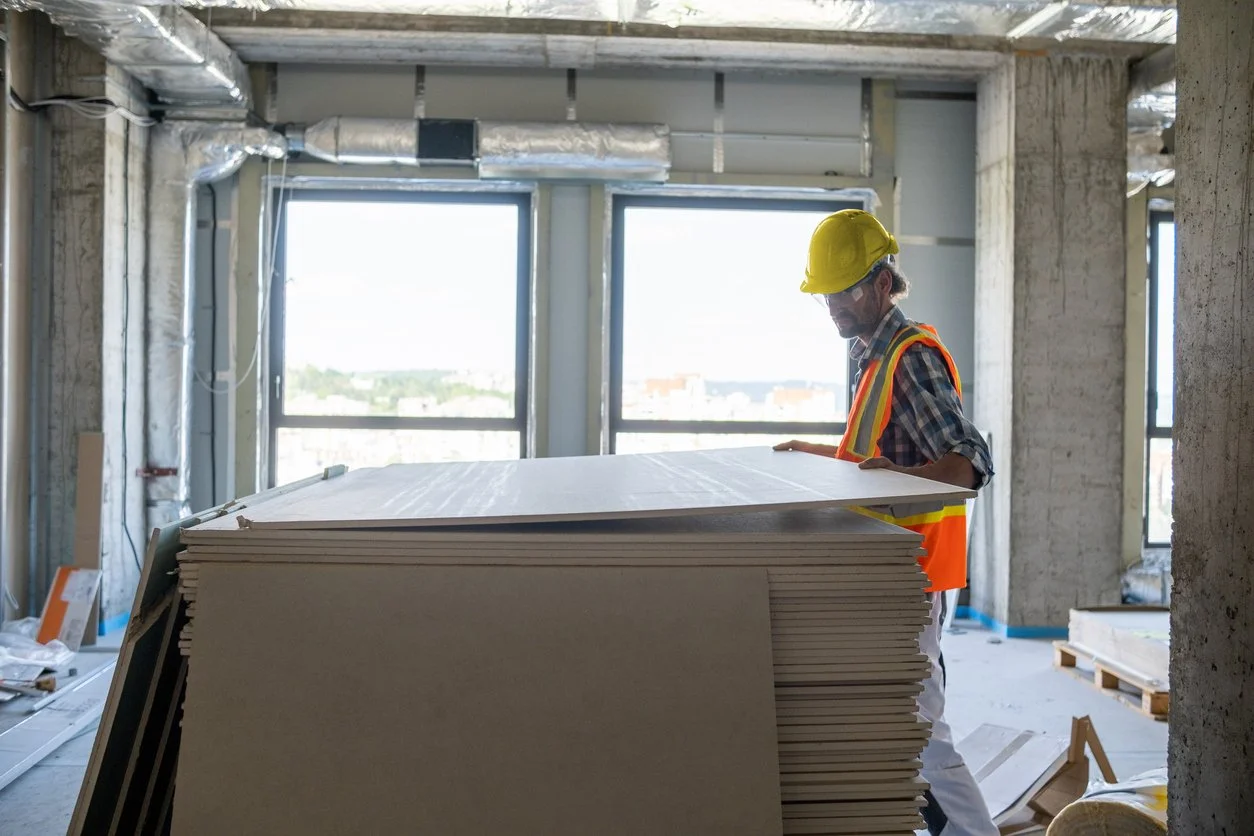
Working alone in any environment presents unique safety challenges that require focused attention. However, for lone workers, safety depends heavily on proactive planning, reliable communication, and specialized protocols designed to address the vulnerabilities that come with working alone.

Running on Empty: Tackling Fatigue to Protect Construction Workers
Here's a 3-sentence summary:
Fatigue in construction is a serious safety hazard caused by physical exhaustion, mental strain, and environmental stressors that impair workers' cognitive abilities and increase the risk of errors. Common causes include inadequate sleep, demanding physical tasks like lifting and climbing, harsh conditions such as extreme heat and noise, and the mental strain of complex or repetitive work. This article emphasizes that fatigue often goes unnoticed despite its dangerous impact, and statistics show it significantly reduces productivity while increasing workplace injuries and accidents.

From Sawhorses at Seven to Senior Superintendent: One Builder's Journey
With decades of construction management experience under his belt, Alex Grage of Exxel Pacific reflects on how the industry has changed, how to spark interest in construction careers, and how career paths aren’t always straight lines. In our conversation, he shares more on his role, why mentorship matters, and the future of construction education.

Driving Better Behaviors: The Threat of Aggressive Driving in Construction
Aggressive driving in construction zones—such as speeding, tailgating, and ignoring flaggers—poses a serious threat to worker safety and site operations. With over 898 fatalities and 40,000 injuries in work zone crashes in 2023, the urgency to address reckless behavior is clear. These actions reduce reaction time, exploit equipment blind spots, and endanger vulnerable workers, often triggering chain-reaction hazards.

Neglecting Mental Health in Construction Isolates and Harms Workers
Behind the hard hats, construction faces a hidden crisis: suicide rates far above the national average, driven by stigma, isolation, and relentless job pressures. Redefining “toughness” and strengthening mental resilience means leaders must normalize conversations, train crews to spot distress, and ensure easy access to confidential supports. This article surfaces the facts, names the cultural barriers, and outlines practical steps—from toolbox talks and peer programs to EAPs and holistic safety—to protect people from the inside out.

Kicking Off The Construction Education Community of Practice
October 9th marks an important date—the first convening of the Construction Education Community of Practice (CECoP), bringing together educators, industry leaders and workforce representatives to shape the future of construction education in Washington.

Moving Past Blame: A Game Changer for Developing & Maintaining a Positive Culture
The construction industry is a pressure-packed, dynamic, and fast-paced environment that carries substantial risks due to its complexity. Despite ongoing updates to regulations and improvements in safety processes—often implemented too late—accidents still occur. Unfortunately, investigations into incidents frequently focus on assigning blame to individuals rather than examining root causes to prevent future occurrences.

DACUM: What We Learned About the Role of the Construction Manager
This February, the Construction Center of Excellence (CCE) hosted three DACUM sessions, bringing together experienced Construction Managers from across Washington State. Their insights are helping educators and industry leaders better understand the evolving demands of the role—and how we all must adapt training and education programs to meet them.
Building More Than Just Careers: My Time Championing Women in Construction
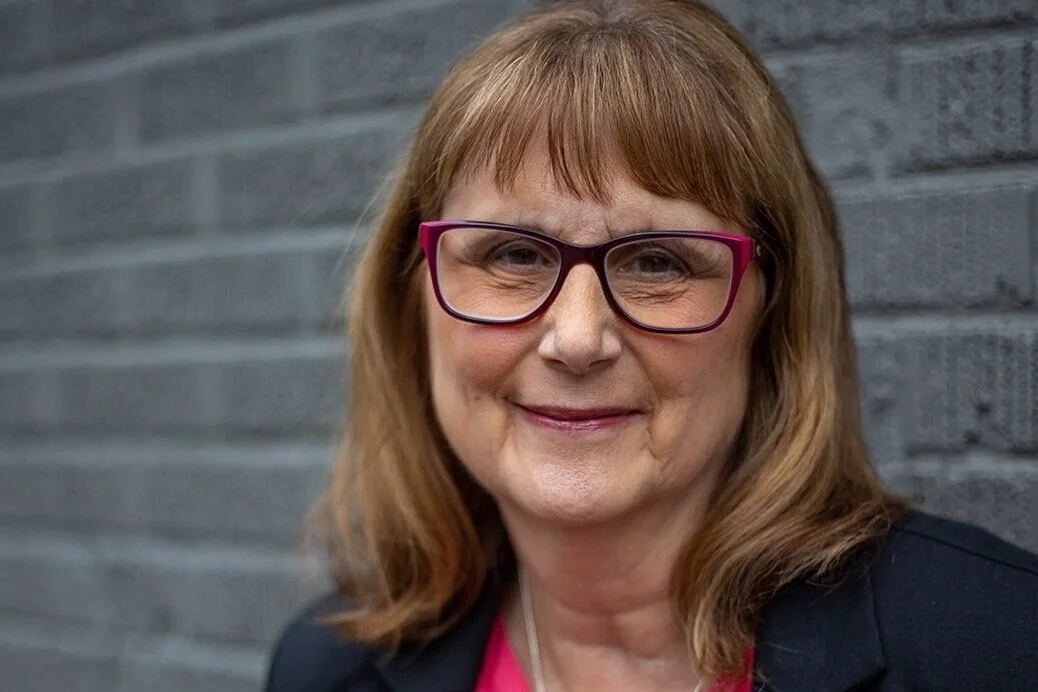
After more than 11 years of dedicated service to the Washington State Construction Center of Excellence, Lin Carleton is stepping into retirement. What began as an emergency hire for the 2014 Apprenticeship Conference evolved into a remarkable career helping women and young people find their place in the construction industry. As Lin prepares to trade her advocacy work for sunny beaches and travel adventures, we asked her to reflect on her journey at the Center—from watching it grow from a small office to a statewide powerhouse, and the three dynamic directors who shaped her experience along the way.