

Puget Sound Construction Teams Join Forces to Tackle Alarming Heart Health Trends
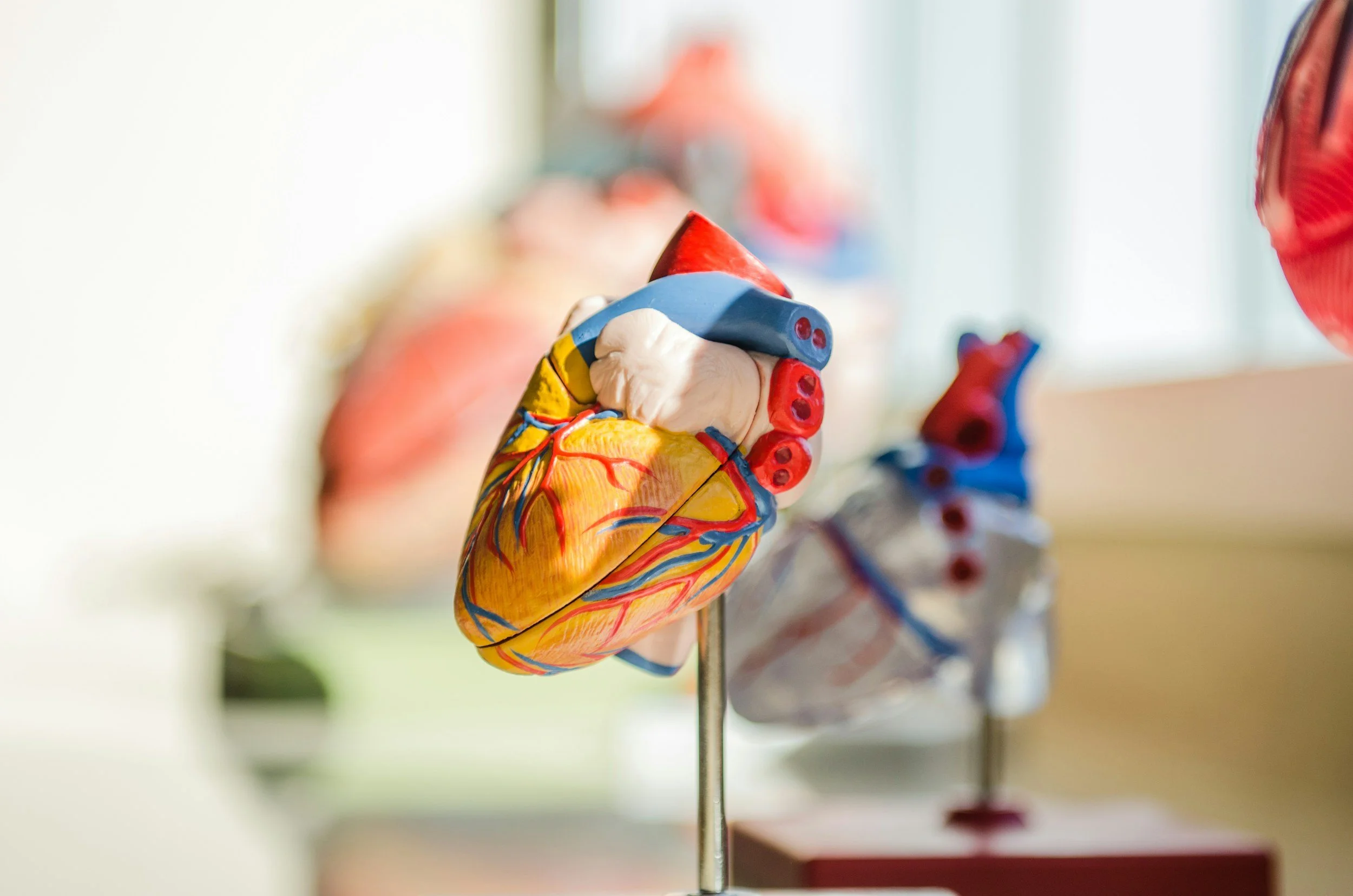
Puget Sound’s construction industry is confronting a growing health challenge: one in four construction workers have high blood pressure, one in 25 lives with heart disease, and nearly half aren’t getting enough exercise. Now, an ambitious regional partnership is aiming to change that.
The American Heart Association’s Hard Hats with Heart campaign—designed specifically for construction workers—has expanded throughout the Puget Sound area with support from Sound Transit and other industry leaders. The program provides tools and resources for craft workers and staff to manage their health in an industry that places high demands on both their body and their mind. This will include education and outreach about risk factors including hypertension, lack of physical exercise, diet and nutrition, tobacco use, and teaching the lifesaving skill of Hands-Only CPR.
Sound Transit Champions Health on the Job Site
“Heart health really resonates with most people,” says Lori Frederick, Construction Director at Sound Transit and a member of the campaign’s Executive Leadership Team. “We all know somebody that has suffered from heart disease or a stroke. The health of the workforce is essential to deliver our current and future capital expansion projects.”
Sound Transit introduced Hard Hats with Heart in May 2025, launching its first on-site blood pressure challenge on the Federal Way Link Extension project. According to Project Labor Agreement Specialist Naomi Powers, who helps roll out the program on construction sites, the event immediately opened eyes.
“Participants were surprised with where their numbers were,” Powers says. “People in their twenties can be impacted too. There was a person there that at 29 had already had a cardiac event.” Nearly 100 workers participated in the first screening.
Changing Culture, One Habit at a Time
Powers notes that construction culture—long commutes, irregular meals, and high-fat foods—can make healthy habits difficult. “We get stuck in our ways,” she explains. “Breaking those habits takes information and education and that’s the point: to help people live a longer, healthier life.”
Hard Hats with Heart events include on-site kickoffs with blood pressure stations, QR-code instructions, weekly check-ins, and prize-based challenges. Four weeks after the Federal Way launch, participant surveys showed meaningful results: 63% reported improving a lifestyle habit, one worker quit smoking or vaping, and two scheduled overdue doctor visits.
A Four-Year Partnership—and Growing Momentum
Sound Transit’s collaboration with the American Heart Association is planned for four years, and staff say they are only getting started. Future programs may include a Nutrition Challenge or a Rethink Your Drink initiative focused on reducing energy drink consumption—an issue Frederick says is common on construction sites.
Frederick initially worried the campaign would face resistance. Instead, reception has been overwhelmingly positive. “Contractors and staff have welcomed us into the field,” she says. Some contractors are now exploring joining Hard Hats with Heart themselves.
A Holistic Approach to Safety
The campaign also reflects a broader shift toward holistic job-site safety. “We’re realizing the connection between psychological safety, mental health, and physical safety,” Powers explains. Stress and mental health struggles can impact cardiovascular health—an area many workers don’t yet recognize.
Educational videos, Toolbox Talks, and printable resources for crews are available at heart.org.
With continued support from Sound Transit, other sponsors and industry leaders, the American Heart Association‘s Hard Hats with Heart is poised to help reshape health culture across Puget Sound construction sites—and save lives in the process. Please visit the Puget Sound Hard Hats with Heart website to learn more https://www.heart.org/en/affiliates/washington/puget-sound-hard-hats-with-heart